flashicon

Portfolio

Quickview

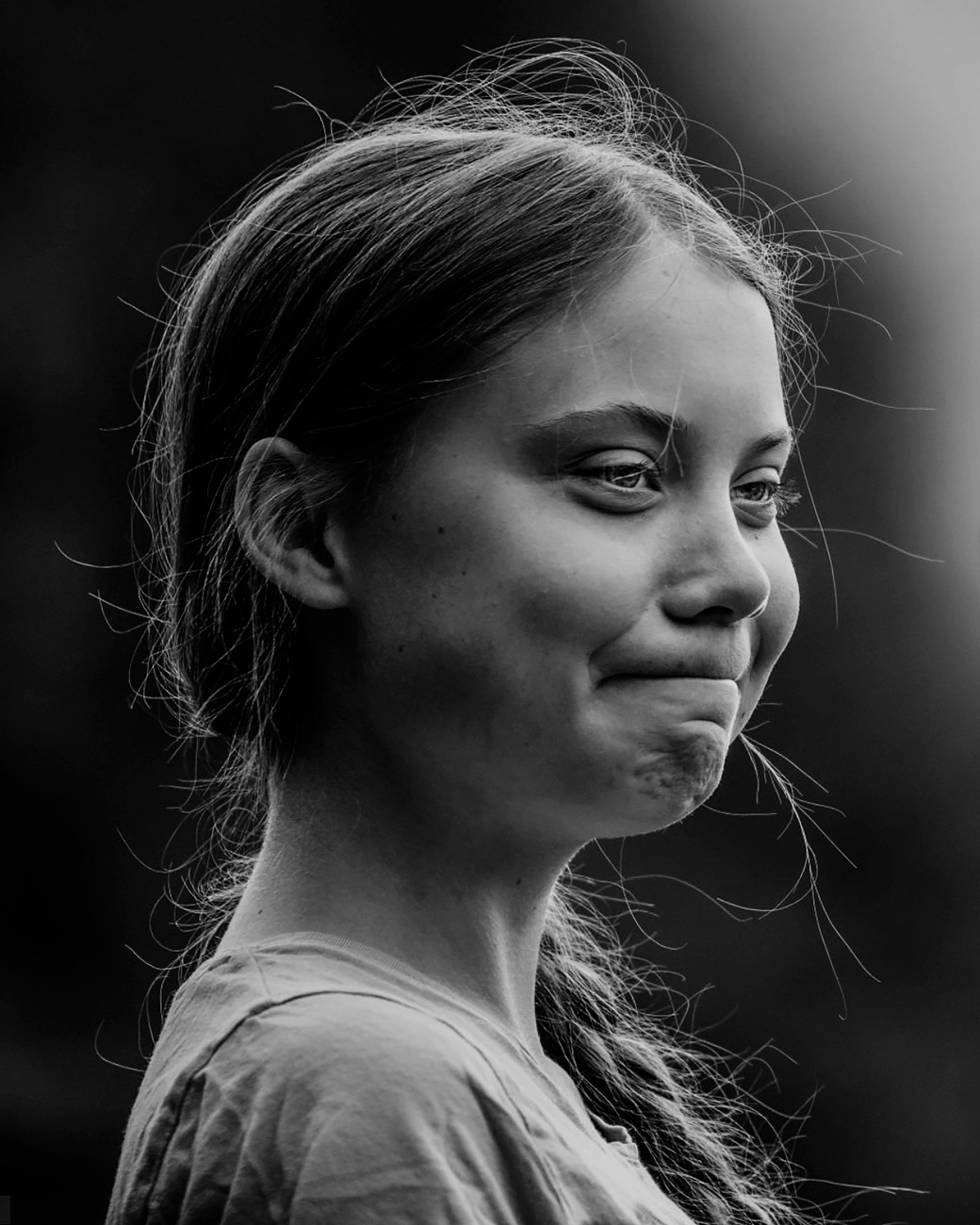
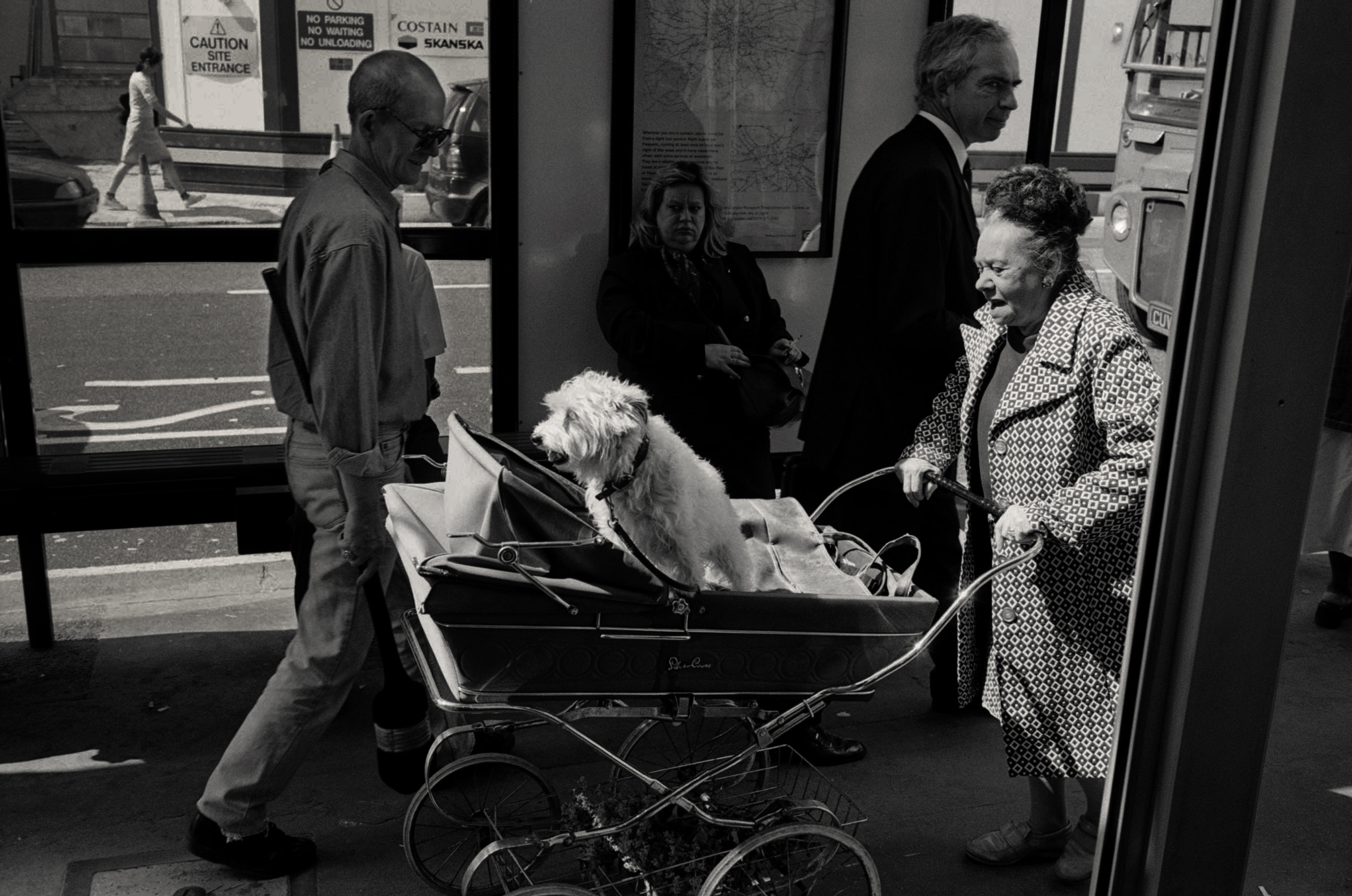
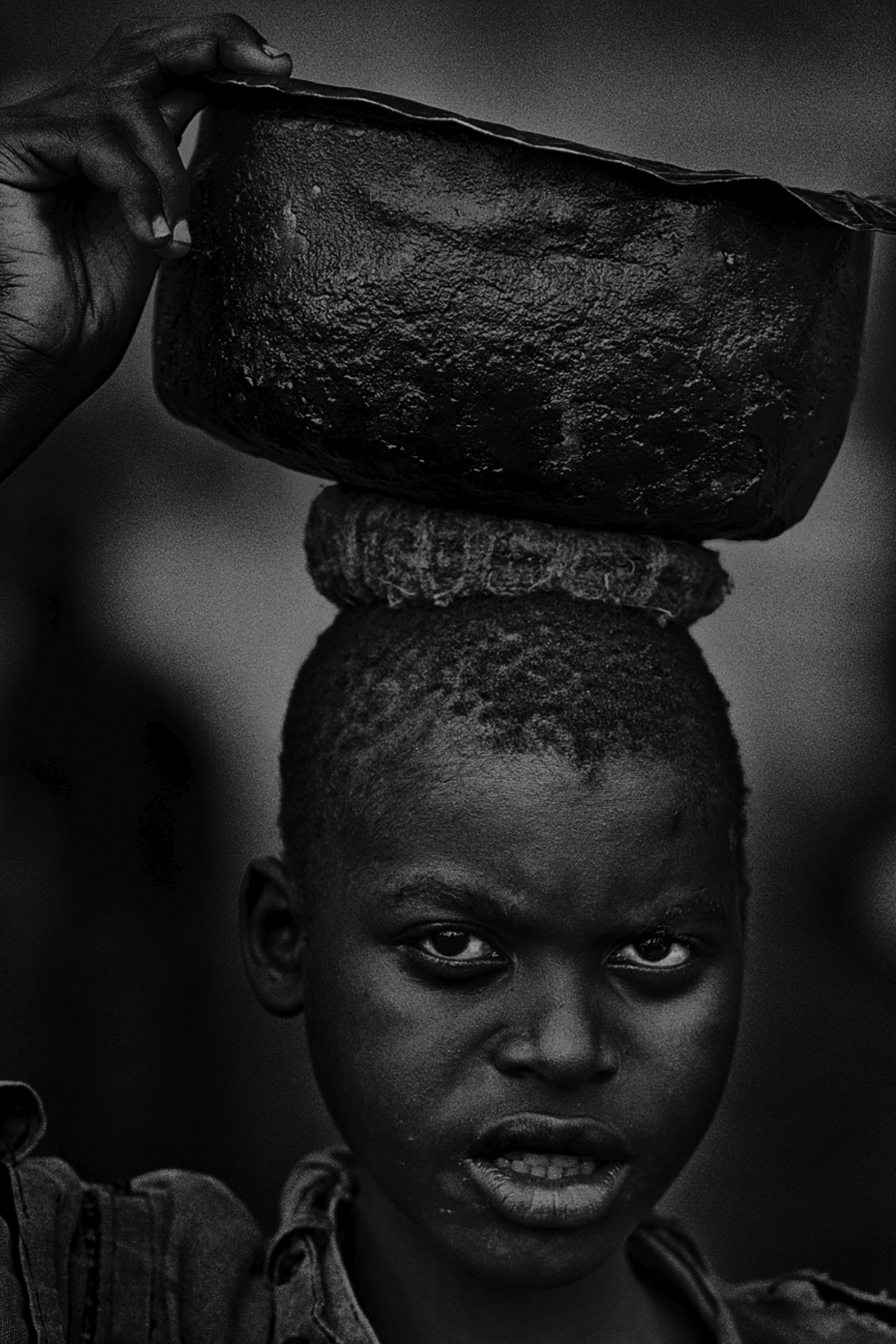
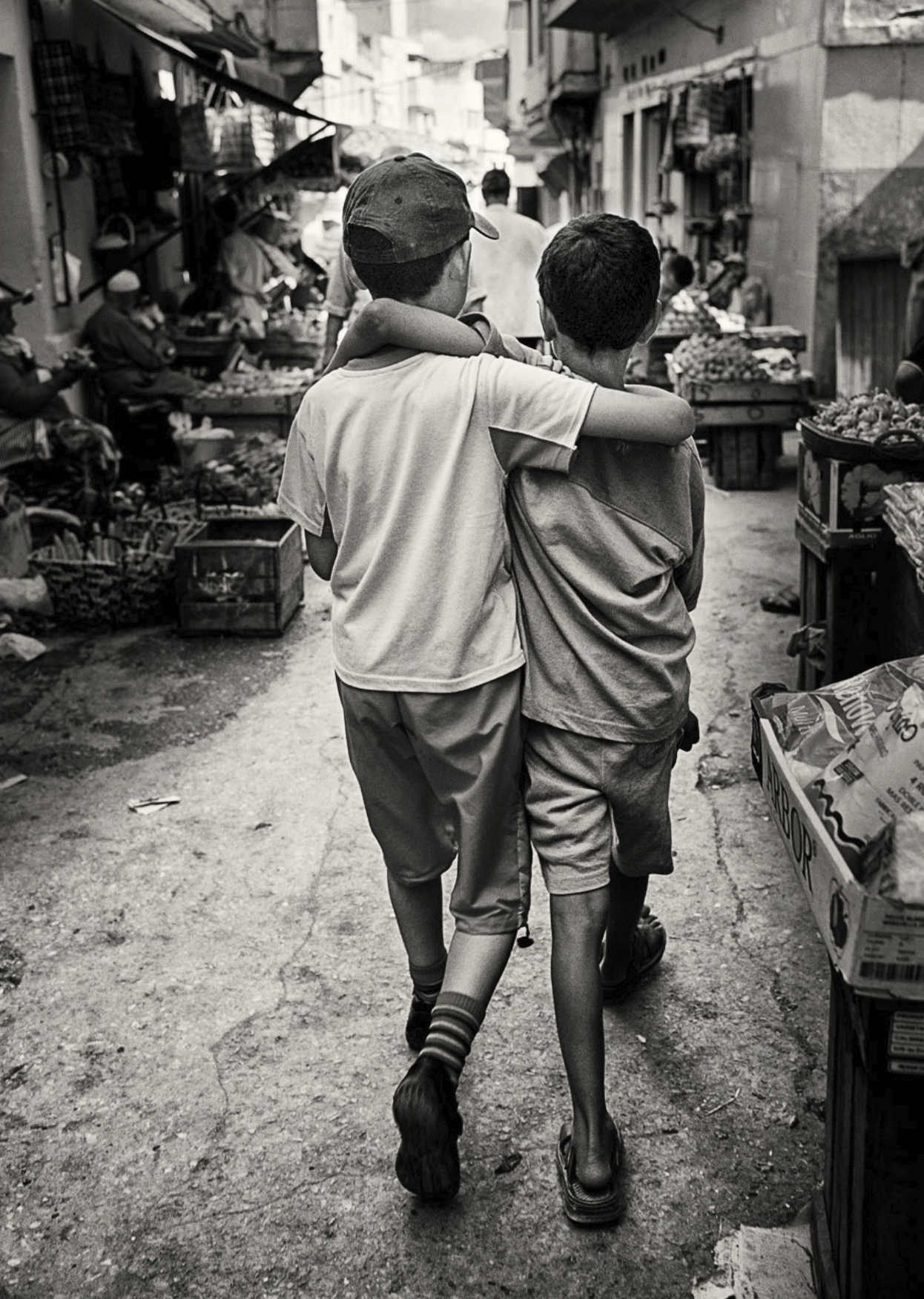
For those of you unfamiliar with my work these 35 images provide an overview of my approach to photography. From portraiture to travel features, reportage news features or more personal work, you can explore further into this site via the menu. Derek Hudson can be contacted directly by dialing +33 (0)6 11 33 88 81 or by email here.
Pour ceux qui ne connaissent pas mon travail, voilà trente cinq images très subjectives qui pourraient résumer mon approche de la photographie et la diversité de mon univers. Entre portraits et voyages, reportages d'actualité ou déambulations intimes, vous pourrez prolonger votre découverte au fil de mon site. Si le coeur vous en dit... Pour me contacter en direct : + 33 (0)6 11 33 88 81, ou le mail indiqué ici-même.

posed

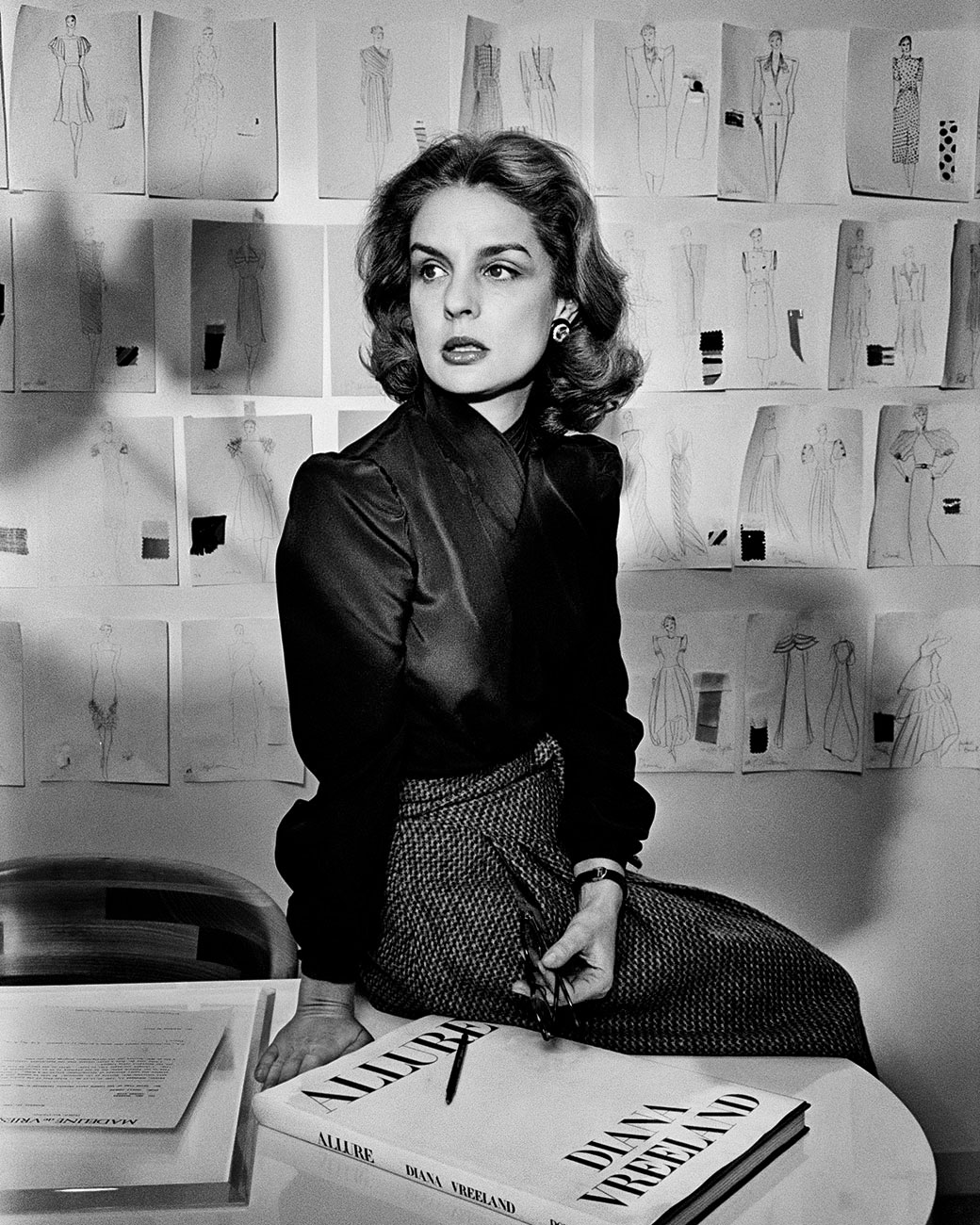
My assignment editor at the Sunday Times Magazine used to say "I have a sitting for you Hudson" which was his way of saying he wanted me to take a portrait of someone. No matter whether the subject is sitting or standing, making a sucessful portrait is a challenge, particularly when you are told you only have 10 minutes!
L'un des éditeurs du Sunday Times Magazine avait coutume de dire « J'ai un truc assis pour vous Hudson », sa manière à lui de me confier un portrait. Mais peu importe que le sujet soit assis ou debout : réussir un portrait est toujours un beau défi, et j'aime ça. Plus que jamais.

large format

These portraits were made the old fashioned way using a large format camera on a tripod. This way of working with a subject interests me as I am standing to the side of the camera asking the subject to concentrate on the lens and judging the moment to release the shutter. I like the detail that large format negatives offer which compensates for the cumbersome equipment issue. In this series are two stories shot for LIFE magazine, 'Grieving In America' and 'Vietnam, 20 years after' as well as a story about Auschwitz survivors for Le Monde magazine.
Morbi velit nunc, porttitor sit amet, imperdiet ac, eleifend id, turpis. Nulla mauris. Morbi urna turpis, porta ac, egestas eget, ullamcorper vitae, metus. Aenean porta, lorem sit amet venenatis aliquam, eros lectus molestie elit, a hendrerit tellus felis eu diam. In porta ornare ligula. Curabitur nunc quam, congue sit amet, condimentum eget, feugiat sit amet, erat. Nullam fringilla mi et eros. Integer nec turpis eget nibh scelerisque vehicula. Quisque ut leo. Class aptent taciti sociosqu ad litora torquent per conubia nostra, per inceptos himenaeos. Vestibulum nisi. Ut bibendum odio sit amet lacus. Nulla facilisi.

unposed

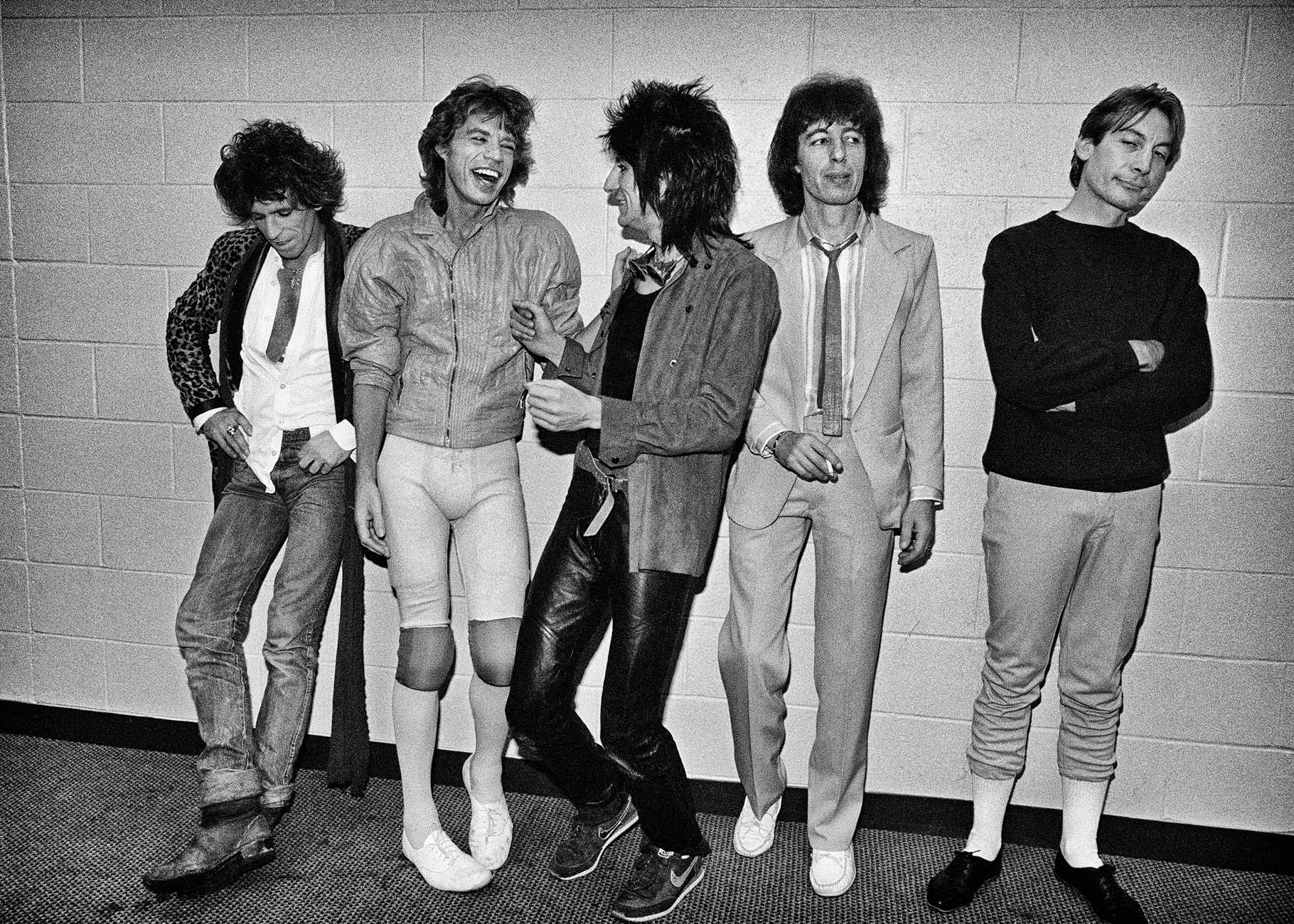
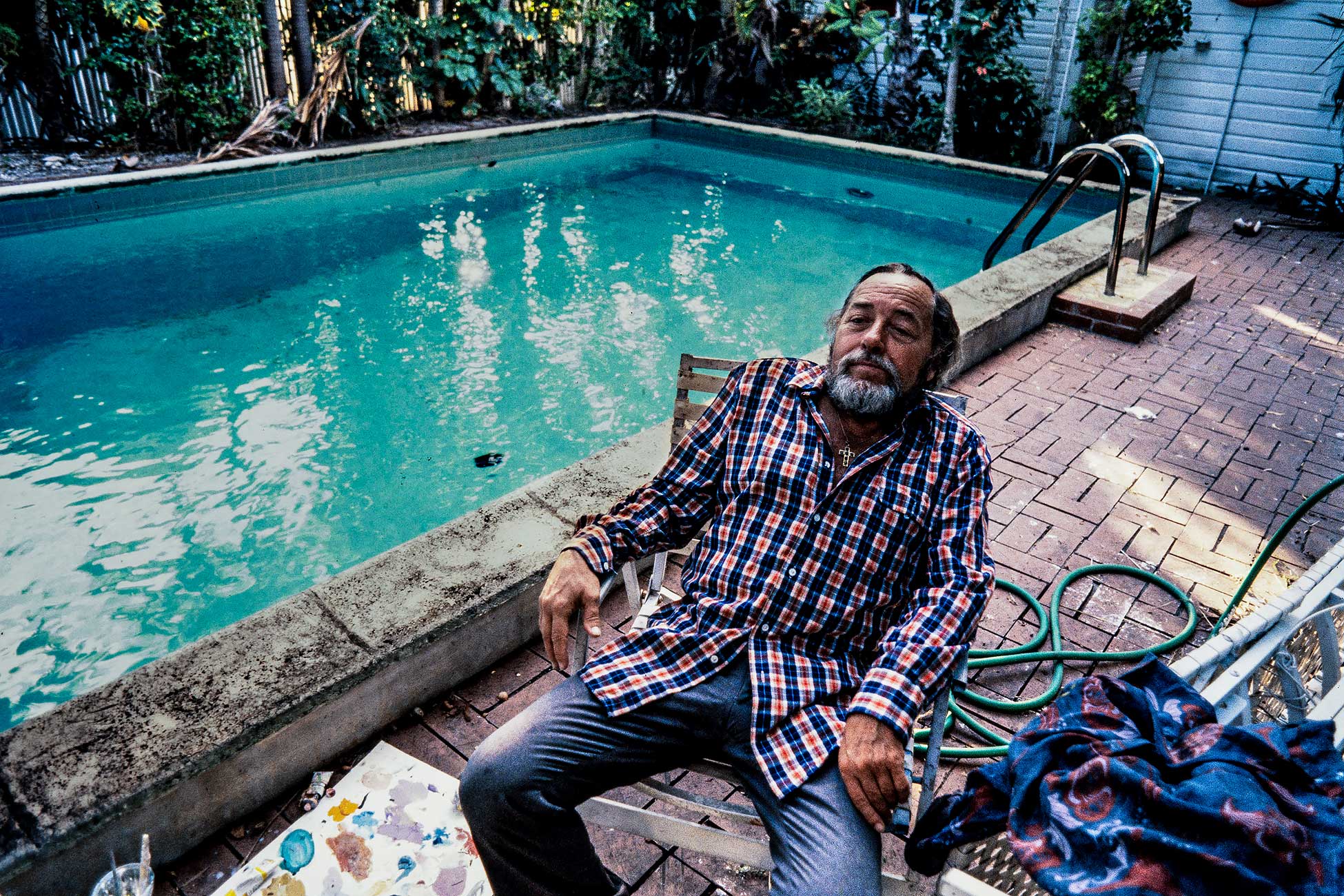
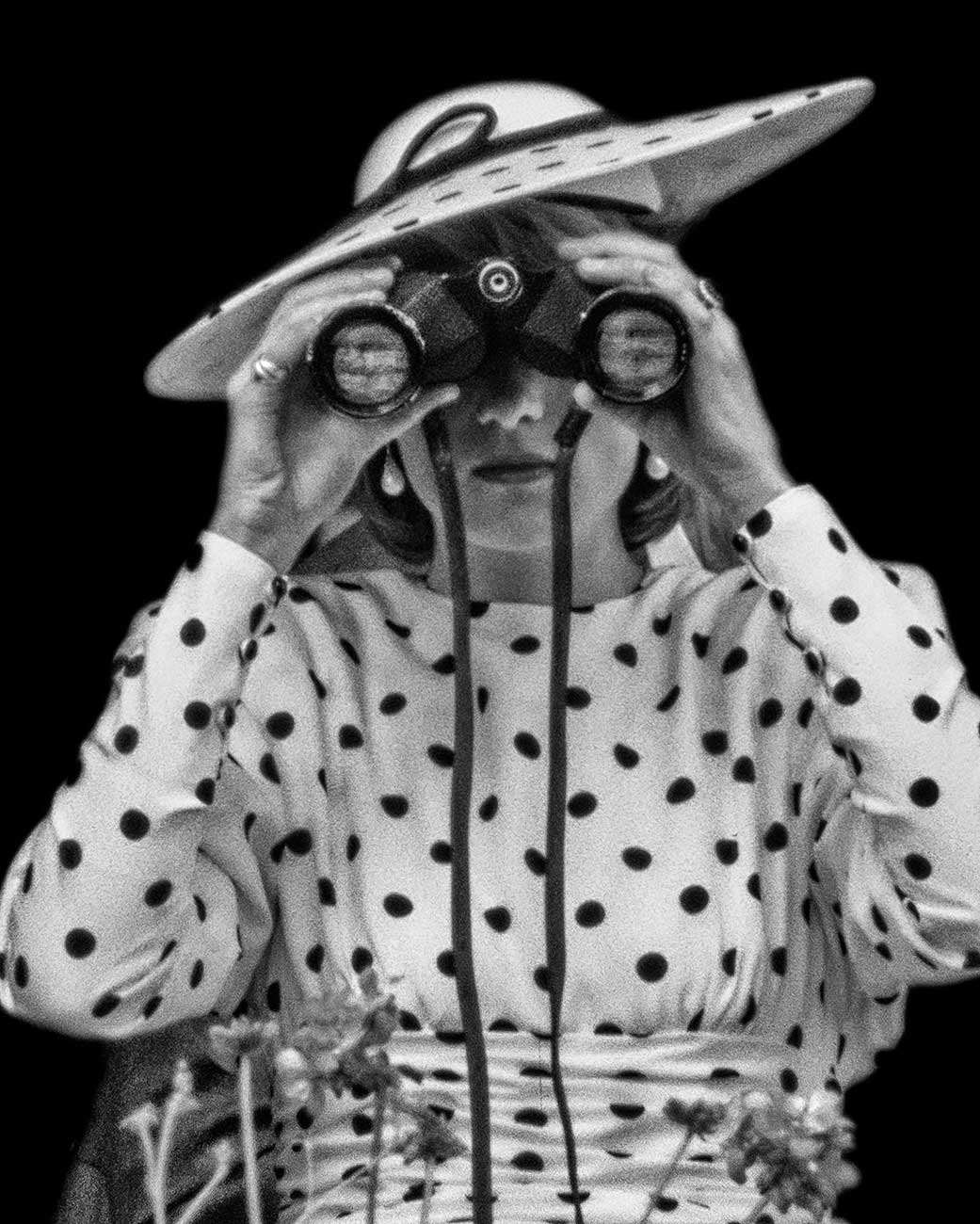
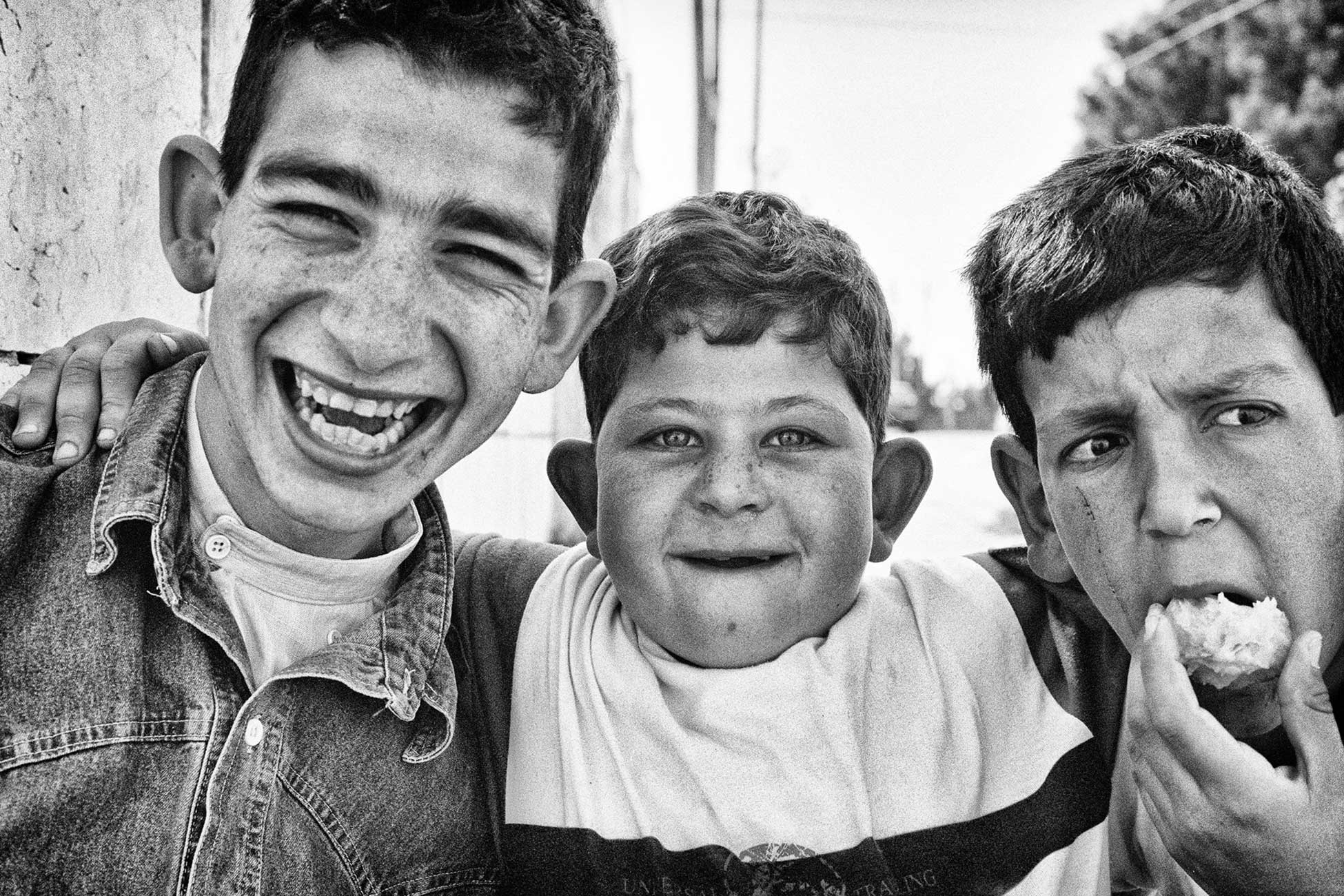
These informal portraits were all taken as the moment revealed itself and most are generally unpremeditated. They were all taken with a 35mm rangefinder camera, without artificial lighting. This is my preferred method of working with my subjects. The spontaneity of capturing someone in an unguarded, unposed moment often reveals a lot more of their personality I believe.
Pas de préméditation, pas de round d'observation, pas de lumière artificielle. Ces portraits sur le vif (tous saisis au 35 mm "rangefinder") se veulent spontanés, simples et authentiques. Je ne suis pas chasseur d'images ou metteur en scène. Juste le témoin et complice d'un moment d'abandon, de liberté, cet instant rare et précieux où un inconnu accepte de tomber le masque...

tangier discovered

Tangiers appears suspended in time. Yesterday a city dormant, nostalgic, today a vast building site, but in substance, nothing has changed. Languor, nonchalance, strangeness Tangiers remains a place to dream and get lost, a port and inspired secret that has taken in its net a cohort of writers, painters or adventurers. The charm is still operating. These are the first pictures of my discovery. And my story with Tangier continues.
Tanger fait écho à Naples pour le temps suspendu. La ville hier assoupie et nostalgique est aujourd'hui un vaste chantier à ciel ouvert mais, dans le fond, rien n'a changé. Langueur, nonchalance, étrangeté : Tanger reste un lieu pour rêver et se perdre, un port inspiré et secret qui a pris dans son filet toute une cohorte d'écrivains, de peintres ou d'aventuriers. Le charme opère toujours. Voilà les premières images de ma découverte. Et mon histoire avec Tanger n'est pas près de s'achever.

hebrides

Na h-Eileanan Siar, Gaelic for the outer Hebrides, the north west isles of Scotland, Lewis and Harris, one land mass, two islands, remain wild, rugged and rural where the tourists venture on tiptoe. Without these visitors fascinated by the rugged beauty of these parts of the world delivered up by the ocean and the threatening skies, there would be a handful of diehards, sheep herders or aquaculture enthusiasts. Here, some fragments of life and landscapes, taken from an assignment for Geo magazine.
Na h-Eileanan Siar, le nom gaélique écossais pour les îles des Hébrides extérieures. Au large de la côte ouest de l'Ecosse, Lewis et Harris, restent terres sauvages et rurales où les touristes s'aventurent sur la pointe des pieds. Sans ces visiteurs fascinés par la beauté âpre de ces bouts du monde livrés à l'océan, il ne resterait qu'une poignée d'irréductibles, éleveurs de mouton ou passionnés d'aquaculture. Quelques éclats de vie et de paysages, extraits d'une commande du magazine Géo.

kabul

In November 2001 allied forces invaded Afghanistan in an effort liberate the country from the Taliban stronghold. Dispatched by the French magazine Le Monde2 to cover the story, the only passage into the country was to travel over the Hindu Kush from Tajikistan and down into the Panjshir valley to the capital, Kabul. Weeks later I finally arrived behind the British ground troops to discover Kabul mostly deserted, the remaining Afghans in a sorry state.
Novembre 2001, les forces alliées envahissent l'Afghanistan pour libérer le pays et chasser les Taliban. Je pars pour le Monde 2 mais le seul passage vers Kaboul (Tadjikistan, Hindu Kush, Panjshir Valley) est une odyssée. Après des semaines d'attente, je finis par toucher au but avec quelques confrères dans le sillage de l'armée britannique. Kaboul est alors une ville quasiment déserte et ses rares habitants ont bien des allures de rescapés.

the english

In the run-up to the new millennium I was commissioned by the UK Observer magazine to produce my vision of the English: travelling the width and breadth of the country in search of images for a fortnightly essay of Tony Blair's Britain. My fellow Englishmen are considered abroad as eccentric, many of these pictures would seem to confirm this. Here are a few of the thousands of photographs taken during the four month project which became known as GB2K.
Au passage du nouveau millénaire, l'Observer Magazine me confie une drôle de mission : décrire au mieux les Anglais de l'ère Tony Blair. Mes chers compatriotes sont souvent perçus comme des excentriques et nombre de mes images semblent le confirmer. Ce ne sont ici que quelques-unes des milliers de photos du projet GB2K prises pendant quatre mois aux quatre coins du pays.

see naples and die

"See Naples and die", an expression used by Napolitains to underline the beauty of their city.... that has to be seen at least once in a lifetime. I can think of easier places to start a personal project, a cacophonic maze of streets where life overflows right in your face. Nowhere in Europe is life lived so openly as the Quartieri Spagnoli or the Centro Antico. Italian cities are generally vibrant but Naples is decidely effervescent with energy. This essay, born from a seven day assignment for the French magazine GEO, led me to make numerous visits these last few years for this ongoing project.I would like to thank photographer Mario Spada for his help in making these pictures.
Amorcer mes travaux plus personnels à Naples? Une folie! Pas d'autre cité en Europe aussi électrique, anarchique, déroutante que ce grand port du sud italien. Face à Naples, pas de demi-mesure. C'est fuir ou succomber. Après une semaine d'immersion brutale pour Géo Magazine, je suis revenu plusieurs fois ces dernières années me jeter dans ce fleuve en furie. "Voir Naples et puis mourir". Cette expression que l'utilisent les Napolitains pour souligner la beauté de leur ville... qu'il faut avoir vue au moins une fois dans sa vie. La découverte n'est pas achevée.Je remercie vivement le photographe Mario Spada m'avoir aidé à faire ces photographies.

middle earth

We know that it is one of the principal natural reserves on this planet. Yet we have ignored that the Amazon represents the "bread basket"of Brasil. In the heart of the jungle in the state of Para a region called Terra do Meio, meaning middle earth, that whets the appetite of small pioneers. From all over latin America, cultivators, principally without land of their own, descend on these virgin lands to villages reminiscent of old cinema western's. Lands where, as in the American far west of long ago, strangers are not overly welcome. These photographs are extracted from an essay for the French magazine Le Monde 2.
On s'avait qu'elle était l'une des principales réserves d'espèces naturelles de la planète. Mais on ignorait que l'Amazonie représentait, aussi, le "grenier" du Brésil. En pleine jungle, dans l'Etat du Para, une contrée appelée Terra do Meio, la "Terre du milieu", attise les appétits des petits pionniers. De toute l'Amérique latine, des cultivateurs, principalement des sans-terre, affluent sur ces terres vierges, vers des villages dignes des westerns. Des terres où, comme dans le Far West américain jadis, l'étranger n'est pas le bienvenu. Ces photographies, pas évidentes à réaliser, sont extraits du reportage pour le magazine hébdomadaire français Le Monde 2.

exodus

Immediatedly following the end of the war in the Gulf, Saddam Hussein's Republican Guard went on to persecute the Kurdish population in northern Iraq forcing them to flee their homelands. Gathering all the belongings they could carry they fled en masse across the ice covered mountains that seperate Iraq from Turkey. Exhausted from the trek on foot many of the thousands died from acute sickness. Those that survived ended up in a barren no man's land near the town of Isikveren where they camped as best they could while awaiting aid from NGO's. These photographs depict their plight.
Version française à venirImmediatedly following the end of the war in the Gulf, Saddam Hussein's Republican Guard went on to persecute the Kurdish population in northern Iraq forcing them to flee their homelands. Gathering all the belongings they could carry they fled en masse across the ice covered mountains that seperate Iraq from Turkey. Exhausted from the trek on foot many of the thousands died from acute sickness. Those that survived ended up in a barren no man's land near the town of Isikveren where they camped as best they could while awaiting aid from NGO's. These photographs depict their plight.

singles

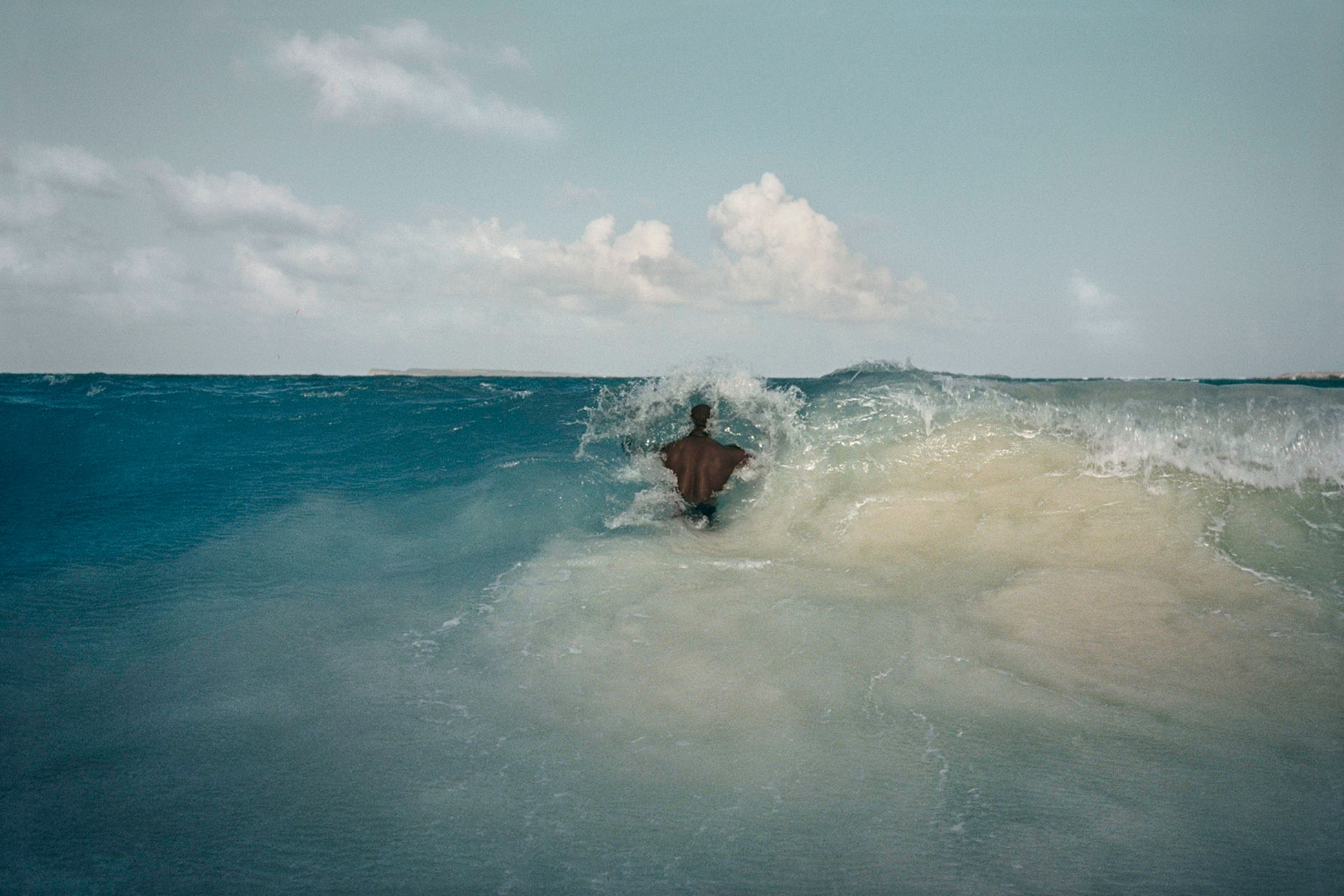
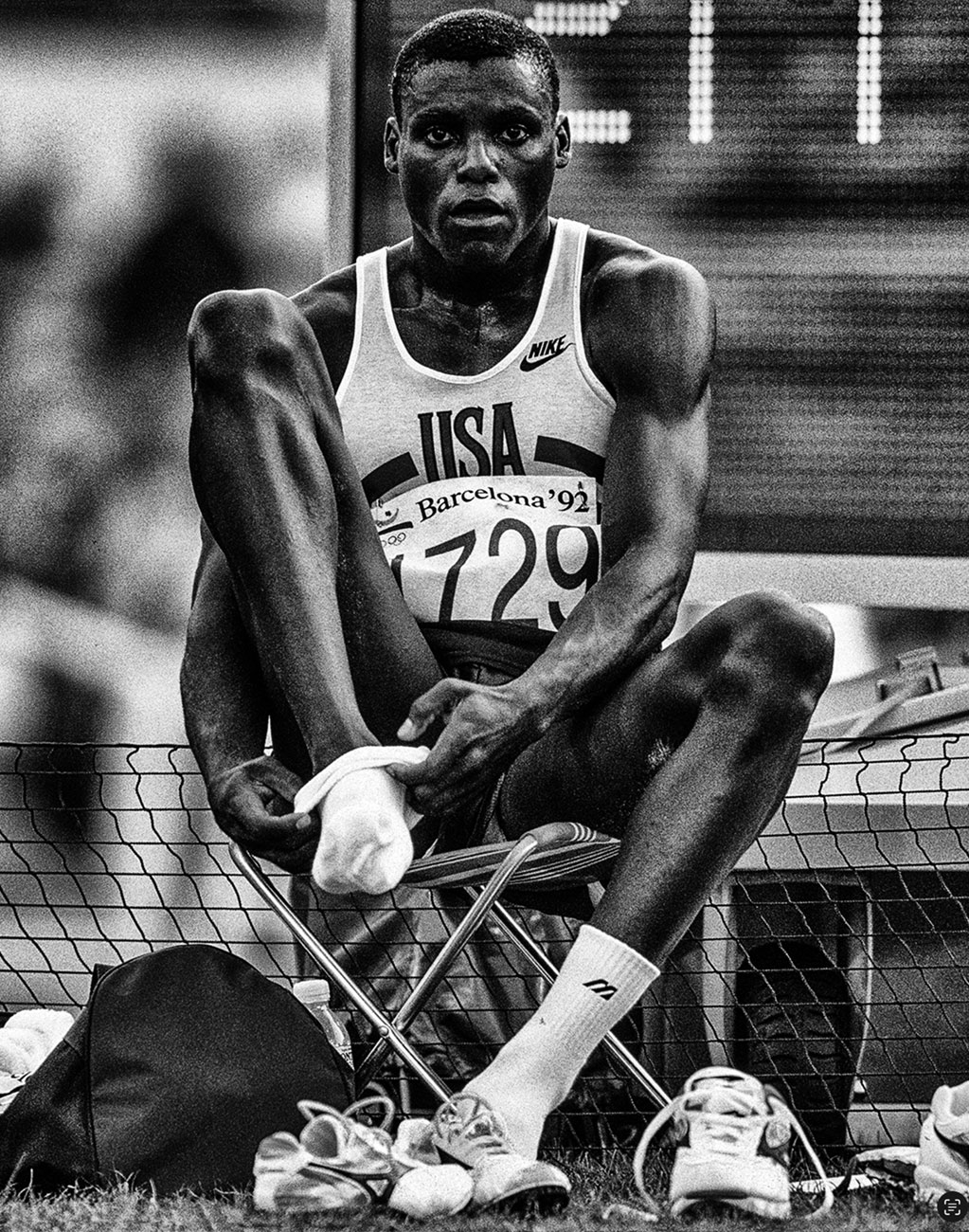
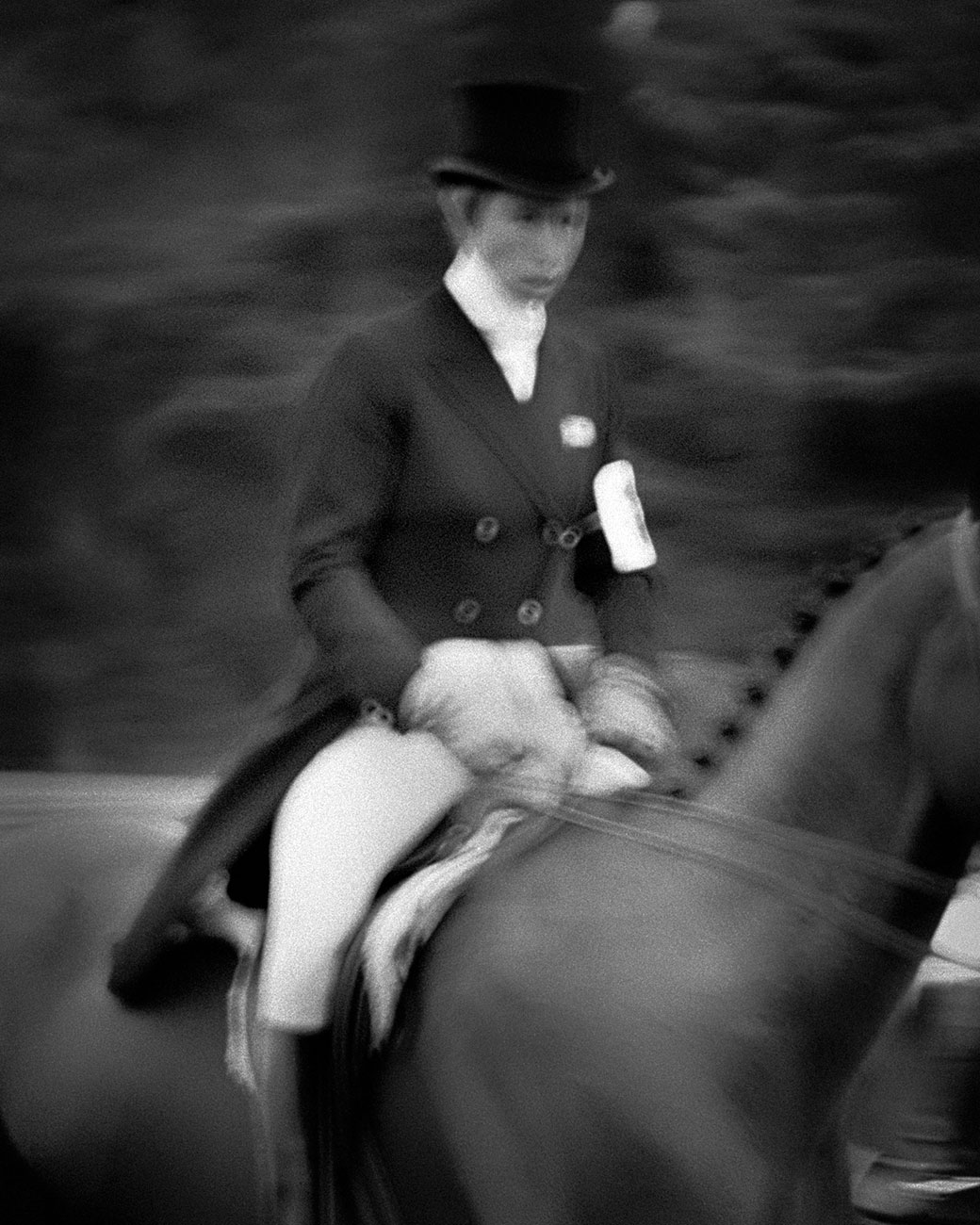
The following pictures are some of my favourite moments from a variety of travel assignments undertaken worldwide over the years.

dancer upstairs

Invited by the American actor/director John Malkovich to record the making of his first full length feature film behind the camera, The Dancer Upstairs, based on the Nicolas Shakespeare novel of the infamous terrorist organization, The Shining Path, who trembled Peru in it's wake. Intergrated and accepted by the film crew including the Spanish actor Javier Bardem, I was allowed to take my pictures with full freedom on and around the set. They were published by the French daily Le Monde over one week in the summer of 2002.
C'était son cadeau amical : John Malkovich, l'acteur américain, m'a invité sur le tournage de "The dancer upstairs", son premier long métrage en tant que réalisateur. Inspiré d'une nouvelle de Nicolas Shakespeare, le film évoque la folle odyssée du Sentier Lumineux, l'organisation terroriste qui fit trembler le Pérou. Intégré à l'équipe de tournage et accepté par tous, dont l'acteur espagnol Javier Bardem, j'ai pu prendre des images en liberté. Elles ont été publiées par le quotidien français Le Monde.

flamenco

With friends Pepe Linares, celebrated singer from Nîmes, and my road companion, journalist Jacques Maigne, I furrowed the Andalusia of flamenco, Together we crossed the south of Spain in search of places, artists, rare and precious moments where the roots of the populist art of flamenco are founded and expressed in its true form. From Almeria to San Fernando, Granada to Jerez, to the villages of lower Andalusia, the flamenco, as vibrant as never before, is a small and secretive little world of pure magic. Part of this work was published in the French magazine Geo.
Avec mes amis Pepe Linares, chanteur installé à Nîmes, et le journaliste Jacques Maigne, vieux compagnon de route, j'ai sillonné l'Andalousie du flamenco. Ensemble, nous avons traversé tout le sud de l'Espagne à la recherche des lieux, des artistes ou des moments rares et précieux où le flamenco, art populaire et enraciné, s'exprime dans sa vérité. D'Almeria à San Fernando, de Grenade à Jerez, de Cordoue aux villages lumineux de Basse Andalousie, le flamenco, blues vibrant et en plein renouveau du sud de l'Europe, est un petit monde magique et secret. Un art inscrit dans un territoire. Une partie de ce travail a été publiée dans le magazine français Géo.

the congo

Just when the world was reeling from the genocide in Rwanda of the Tutsi trib, another less widely publicised, disaster was in progress less than a year later. This time it was the Hutu's who were being persecuted as they fled their villages escaping into the dense jungles of the Congo. While on assignment in Kisangani for Life magazine I became aware of the story and crossed the Congo river where I found thousands of Hutu refugees surving as best they could as they trekked to safety. Sickness and malnourishment claimed lives in the thousands as Medicins Sans Frontiere workers struggled to save whoever they could.
Version française à venirJust when the world was reeling from the genocide in Rwanda of the Tutsi tribe another, less widely publicised, disaster was in progress less than a year later. This time it was the Hutu's who were being persecuted as they fled their villages escaping into the dense jungles of the Congo. While on assignment in Kisangani for Life magazine I became aware of the story and crossed the Congo river where I found thousands of Hutu refugees surving as best they could as they trekked to safety. Sickness and malnourishment claimed lives in the thousands as Medicins Sans Frontiere workers struggled to save whoever they could.

banda aceh

The tsunami, a natural disaster tha shook the southern hemisphere and the world causing havoc and destruction in Thailand, Sri Lanka and Indonesia. My reportage made in Banda Aceh, Indonesia one week after the tdal wave flattened the port to a pulp. These photographs illustrate some of the hardship and suffering endured.
Version française à venirThe tsunami, a natural disaster tha shook the southern hemisphere and the world causing havoc and destruction in Thailand, Sri Lanka and Indonesia. My reportage made in Banda Aceh, Indonesia one week after the tdal wave flattened the port to a pulp. These photographs illustrate some of the hardship and suffering endured.

cannes on off

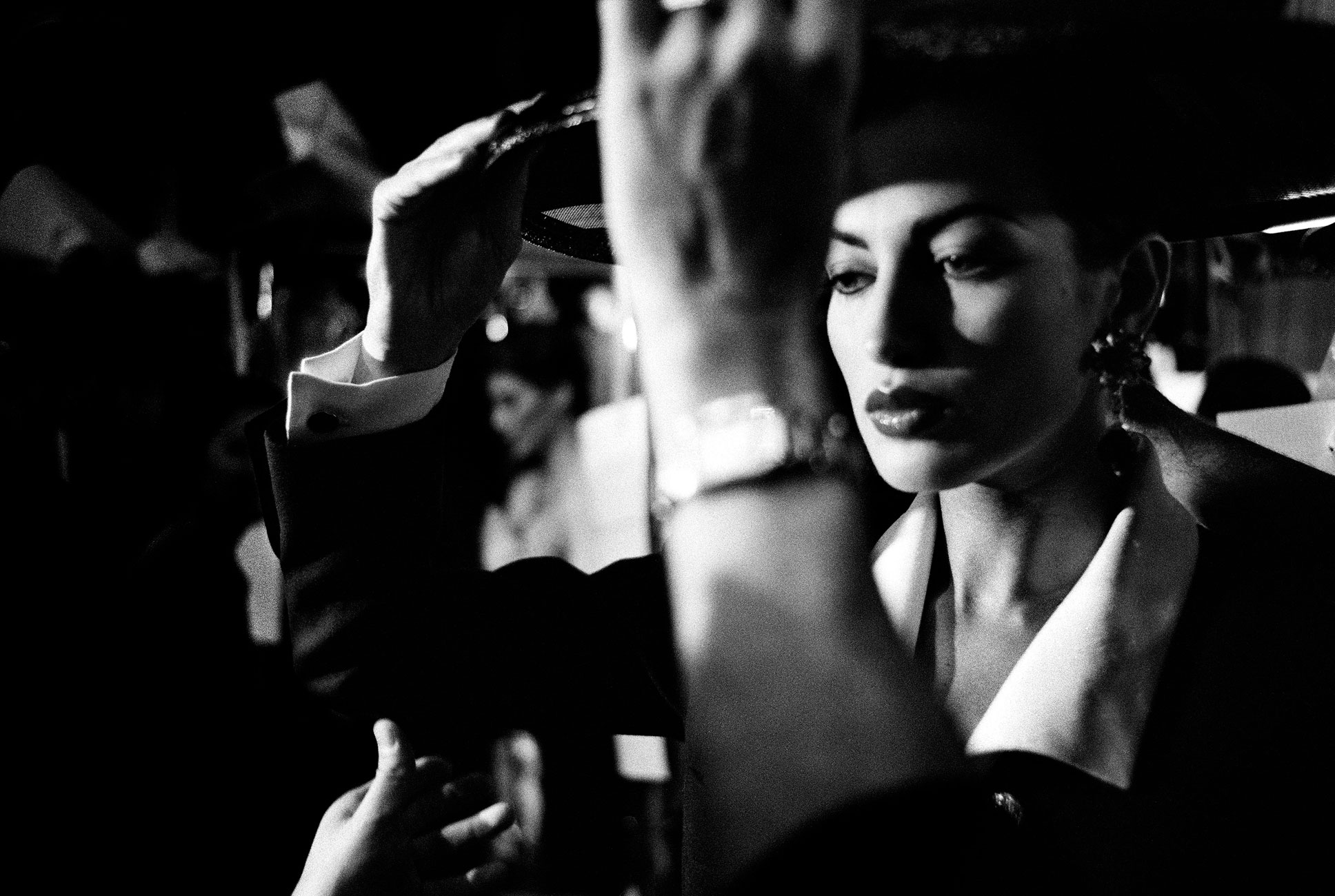
For two weeks a year and for four years in sucession I was given the enviable task of producing a daily photograph with an open brief at the Cannes film festival on the French Riviera. The constraint was that my picture had to be in Paris at the French daily Le Monde by 7:30am every day. Cajolling PR's to allow me a few minutes with their stars, struggling through the crowds, developing my film in a bathroom and transmitting the image all added to the "excitement" of the assignment. Often, the most satisfying pictures were these off beat moments I am showing here.
A définir

rural romania

to be defined
a definir

iran

Travelling through Iran for the New York Times magazine, accompanying a group of American tourists as a pretext, allowed me the liberty to take these photographs. Politics aside, this is one of the few country's in the Islamic world that I would love to return to.
Texte en français à venirTravelling through Iran for the New York Times magazine, accompanying a group of American tourists as a pretext, allowed me the liberty to take these photographs. Politics aside, this is one of the few country's in the Islamic world that I would love to return to.

alex

Continuing the Mediterranean port theme Alexandria, Egypt seemed a natural transgression. Little remains of its glorious pre Nasser revolution past when 50's Alexandria was a cosmopolitan haven of a decadence and grandeur. Heralded in the works of Durrell, Forster and Cavafy, literary giants who made Alex home, the city has taken a severe beating. The ornate Italian built villas are as good as gone though along the corniche vestiges of what once was architecurally opulent clamors amid the grime which has long since taken hold where the splendour left off. Nevertheless Alex bustles non stop as 1930's trams fight for position amongst the humble pony and trap and the S-class Mercs.
Toujours sur le thème du port méditerranéen d'Alexandrie, l' Égypte semblait une transgression naturelle. Il reste peu de son glorieux passé d'avant la révolution de Nasser dans les années 50 alors qu'Alexandrie était un havre cosmopolite de grandeur et décadence. Annoncé dans les oeuvres de Durrell, Forster et Cavafy, géants de la littérature qui ont fait d'Alexandrie leur patrie, la ville a pris un sacré coup. Les riches villas italiennes qui en faisant la splendeur architecturale ,ne sont plus que des vestiges le long de la corniche. Pourtant la ville continue de grouiller de tranways des années 30, de voitures à cheval et de Mercedes classe S.

Biography

Biographies are a challenge, particularly one’s own. However, there are some things my pictures can’t tell. I’ll try to be brief.
Born in London in 1953, a boarding school education followed by a premature love affair with photography.
A brief internship with a regional newspaper led me to London’s Fleet Street, Mecca of the British press, and a precious award "Best Young Photographer of the Year". Heeding advice from my mentor, Terry Fincher, the iconic English news photographer, I headed west to New York and set my sights on Life Magazine. A brace of Leica’s around my neck I discovered the world-city and then the world itself. Late 1970’s, travelling incessantly, surprising, disconcerting, complex and often tense.
The world, and especially the Americas is an incredible playground, in turn marked by the Sunday Times, Time, Newsweek, Paris Match or Stern magazines. End of the 80’s, I returned to England to convalesce from hepatitis. Sign of destiny: I contracted the disease whilst dining at Fidel Castro’s table in Managua. Joining the French agency Sygma the carrousel resumed, the Margaret Thatcher years, discovery of Africa, the Middle East and the first Gulf War in 1991 sending by satellite the first pictures of Iraqi prisoners captured by US marines. It was also the year Life Magazine added my name to their masthead. 1993 and Paris became my new home yet I was soon back in the US reporting on the consequences to families who had served in the Gulf, and in 1995, I embarked on a series of portraits in Vietnam and America commemorating the 20th anniversary of the Indo-China war.
In 2000, on a satellite call from the Congolese jungle to my editor in New York I learnt of the closure of Life Magazine, the end of an era. I didn’t know it then but the golden age of photojournalism was already behind me.
It wasn’t a brutal full stop. I covered numerous more stories, the fall of the Taliban in Afghanistan for example, but I distanced myself from hard news looking for new avenues to express myself. A slow change, a quest: all the while pursuing the thread and energy of travel (the heart of my life journey), I feel the need to be more personal and sensitive in my work, where I could softly express my vision of the world and life, and therefore, my style. A question of maturity it might be said. Photography is my language and that language has to constantly evolve.
The "works in progress", portraits of two vibrant Mediterranean ports, Naples and Tangier, are not simple evocations of "picturesque" cities. They evoke the intimate explorations I’m leaning towards, and in turn, the metamorphosis in progress.

Les bios, c’est un défi, surtout quand il s’agit de soi. Mais bon, il y a forcément des choses que mes photos ne disent pas. J’essaie d’être bref.
Né à Londres en 1953, enfance au creux de la campagne anglaise, parents adoptifs aimants, éducation classique (dont l’Université d’Oxford) et rencontre amoureuse précoce avec la photographie.
Oui, la photographie très tôt, d’abord dans un petit journal local puis comme indépendant dans les divers titres de Fleet Street, Mecque de la presse londonienne, avec un prix resté précieux : "Best Young Photographer of the Year". Années dorées et premier grand départ. Cap sur New-York et Life Magazine où je collabore activement. Deux Leica en bandoulière, découverte de la ville-monde puis du monde tout court. Fin des années soixante-dix, voyages incessants, surprenants, déconcertants, complexes, parfois tendus.
Le monde, surtout les deux Amériques, est un incroyable terrain de jeu, tour à tour balisé par le Sunday Times, Newsweek, Paris Match, Time ou Stern. Fin des années 80, je retourne en Angleterre pour soigner une hépatite. Signe du destin : j’ai contracté cette maladie au cours d’un dîner à Managua avec Fidel Castro et je deviens le correspondant anglais de l’agence française Sygma. Le carrousel reprend de plus belle : campagne de Margaret Thatcher, découverte de l’Afrique, du Proche-Orient avec comme point d’orgue la première guerre du Golfe de 1991 où je diffuse les premières photos de prisonniers Irakiens arrêtés par les marines américains. C’est aussi l’année où je deviens permanent de Life Magazine.
1993, Paris devient mon nouveau port d’attache mais je reviens aux USA pour une longue enquête sur les conséquences de la guerre du golfe puis, en 1995, je réalise toute une série de portraits entre Vietnam et USA sur les personnages clés, vingt ans après, du conflit indochinois. En l’an 2000, j’apprend dans la jungle congolaise la fin de Life Magazine et, du même coup, la fin d’une époque. Je ne le sais pas encore mais l’âge d’or du photojournalisme est déjà derrière moi.
Ce n’est pas un arrêt brutal. Je repars de nombreuses fois, notamment pour Le Monde 2, et couvre par exemple la chute des Taliban en Afghanistan, mais je m’éloigne insensiblement de l’actualité pure et dure et cherche de nouvelles voies, une autre manière de m’exprimer et de saisir la réalité. C’est une mutation lente, une quête aussi : sans perdre le fil et l’énergie du voyage (au cœur de mon parcours), je ressens le besoin de travaux plus personnels, plus sensibles où je pourrais enfin exprimer en douceur ma vision du monde et de la vie. Mon style, donc. Question de maturité. Question d’exigence aussi.
La photographie est ma langue et cette langue-là doit évoluer et progresser sans cesse. Les deux expériences menées ces derniers temps sur deux grands ports vibrants de Méditerranée, Naples et Tanger (toujours en cours), ne sont pas simples évocations de villes "pittoresques". Ce sont les explorations intimes que j’attendais, marquent aussi la métamorphose en cours.

Contact

Derek Hudson
Paris
France
+33 (0)147052149
+33 (0)611338881
Commissions, print sales and general enquiries: contact@derekhudson.com

Derek Hudson is represented worldwide by Getty Images for editorial, corporate and advertising assignmetns. See this page. Print sale enquiries may be made directly to Derek Hudson or via the Paris gallery IN CAMERA.
21 rue Les Cases, 75007 Paris
+33 (0)147055177
contact@incamera.fr
http://www.incamera.fr
You need to upgrade your Flash Player.
This site requires a more recent version of the Flash plugin than you currently have. This plugin is free and can be downloaded here.
Or, if you're absolutely positive you have the most recent plugin, then click here to force the site to load.